
A Historical Perspective
Cultural influences have always played a vital role in the evolution of clothing design. From ancient civilizations where garments were made from natural materials to the sophisticated designs of today, each era reflects the unique characteristics of its time. The emergence of modern clothing design is especially noteworthy in urban centers like Los Angeles, where diverse cultures intermix, leading to innovative fashion trends. Los Angeles outfits often combine elements from various cultural backgrounds, illustrating how multiculturalism shapes contemporary styles.
Globalization and Fashion Trends
Globalization has brought the world closer together, allowing designers to draw inspiration from cultures across the globe. The fusion of different cultural aesthetics has led to the creation of unique styles. Designers frequently travel, observe local fashion, and integrate these ideas into their collections. This practice not only celebrates diversity but also promotes inclusivity in the fashion industry.
- Traditional motifs and patterns are often reinterpreted in modern design.
- The use of fabrics and textiles native to specific cultures adds authenticity.
- Accessories and styling techniques reflect international influences.
The Role of Street Style
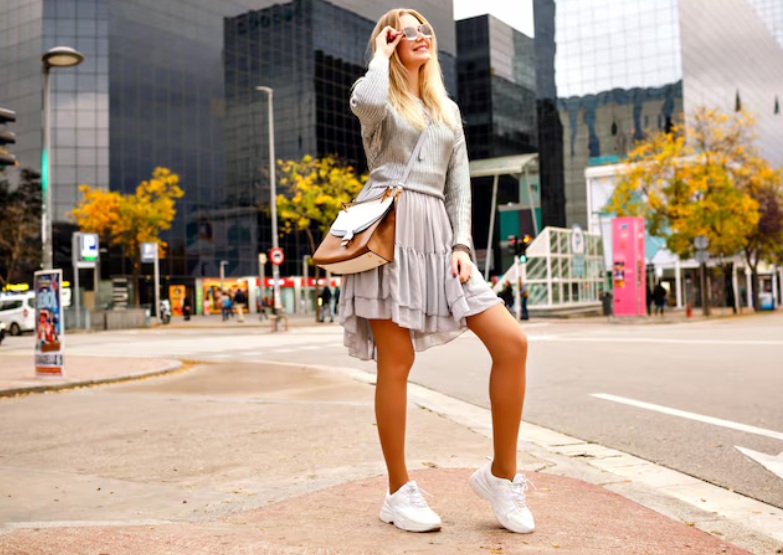
Street style has become a significant influence in modern clothing design, especially in metropolitan areas. Designers often take cues from the everyday styles of the urban populace. This is particularly evident in cities like Los Angeles, where diverse ethnic communities contribute to a vibrant street fashion scene. The blending of casual and formal attire in Los Angeles outfits demonstrates how street style can challenge traditional fashion norms. Additionally, streetwear brands have emerged, emphasizing comfort while making bold cultural statements.
Technology and Cultural Expression
With the rise of digital platforms and social media, cultural influences in clothing design are more accessible than ever. Fashion designers can share their work with a global audience instantly. Platforms like Instagram showcase diverse styles from around the world, inspiring new trends and encouraging cultural exchange. For instance, brands can redefine collections based on social movements or cultural celebrations, connecting their designs to relevant narratives. One website that captures diverse fashion inspirations is https://baindoux.com, where various cultures meet modern aesthetics in remarkable ways.
The Impact of Cultural Appropriation
While cultural exchange enriches fashion, it also raises concerns about cultural appropriation. Designers must navigate the fine line between inspiration and appropriation, ensuring that the cultural elements they incorporate are presented respectfully and authentically. This requires understanding the historical significance of the motifs and elements being used. Growing awareness of these issues has prompted brands to engage with cultural communities, fostering collaboration and appreciating the roots of the designs.
The Future of Fashion and Cultural Representation
The future of clothing design promises even greater cultural influences as society continues to evolve. As designers become more aware of the complexities surrounding cultural representation, we can expect to see more conscious efforts to embrace diversity. Collaborative projects with artisans from various cultural backgrounds will likely bring traditional craftsmanship into mainstream fashion, marrying old techniques with new innovations.
A Tapestry of Styles and Stories
The rich tapestry of modern clothing design is woven with threads from various cultures worldwide. As designers continue to explore, adapt, and reimagine these influences, they create a dynamic fashion landscape that reflects both individuality and shared experiences. The ongoing dialogue between cultural heritage and modern aesthetics ensures that clothing remains not just a means of self-expression but also a celebration of our interconnected world. Embracing cultural influences is not merely a trend; it is essential for meaningful fashion evolution in years to come.